Arabica Caturra Coffee – Discover Its Bright Acidity and Sweet Aftertaste
1. Overview of Arabica Caturra
Arabica Caturra is a well-known variety within the Arabica coffee family, loved by coffee enthusiasts for its bright acidity, fruity aroma, sweet finish, and balanced body. In Vietnam, Arabica is also commonly known as cà phê Chè.
Compared with Robusta coffee, Arabica contains less caffeine, usually around 1–2%, resulting in a smoother and more delicate drinking experience.
2. Origin and History of Arabica
The name Arabica is believed to originate from the Arabian Peninsula, where coffee became an important part of local culture. However, many studies indicate that Ethiopia is the true birthplace of Arabica coffee, where wild coffee trees were first discovered.
From Ethiopia, coffee spread to the Arabian Peninsula and gradually became a treasured beverage. Over time, the name Arabica became associated with this premium coffee species known worldwide today.
3. What Makes Arabica Caturra Special?
Caturra is a natural mutation of the Bourbon coffee variety, first discovered in Brazil in the 1930s. Compared with Bourbon, Caturra plants are shorter and produce more branches, allowing higher productivity while maintaining excellent cup quality.
Because of these characteristics, Arabica Caturra is highly valued by both farmers and specialty coffee roasters.
4. Flavor Profile of Arabica Caturra
One of the most attractive characteristics of Arabica Caturra is its vibrant and elegant flavor profile:
- Bright Acidity: Clear citrus-like acidity, often reminiscent of lemon or orange.
- Sweet Aftertaste: A pleasant lingering sweetness after each sip.
- Balanced Body: Smooth mouthfeel with a clean finish.
- Elegant Aroma: Delicate floral and fruity notes.
When grown at ideal altitudes, Arabica Caturra develops even more complexity and sweetness.
5. Arabica Growing Regions in Vietnam
Da Lat
Da Lat is often called the paradise of Arabica coffee. Areas such as Cầu Đất sit at around 1,500 meters above sea level, with cool temperatures and fertile red basalt soil—ideal conditions for premium Arabica cultivation.
Son La
Son La has more than 100 years of Arabica cultivation history. Favorable rainfall, mountain terrain, and moderate temperatures help produce high-quality coffee beans.
Nghe An
Nghe An is another important Arabica-growing region in central Vietnam. The Phủ Quỳ area is especially known for coffee production, with varieties such as Catimor widely cultivated.
6. Best Brewing Methods for Arabica Caturra
Because of its delicate acidity and complex aroma, Arabica Caturra is best enjoyed through manual brewing methods such as:
- Pour Over – Highlights brightness and aroma
- Moka Pot – Produces a richer body
- Syphon – Creates clarity and layered flavors
These methods help preserve the natural flavors without needing much sugar or milk.
You can also blend Arabica with Robusta coffee for richer Espresso or Cappuccino drinks.
7. Enjoying the True Taste of Arabica Caturra
Understanding coffee helps you appreciate every cup more deeply. With its bright acidity, refined aroma, and sweet finish, Arabica Caturra offers a sophisticated coffee experience loved by both beginners and seasoned coffee drinkers.
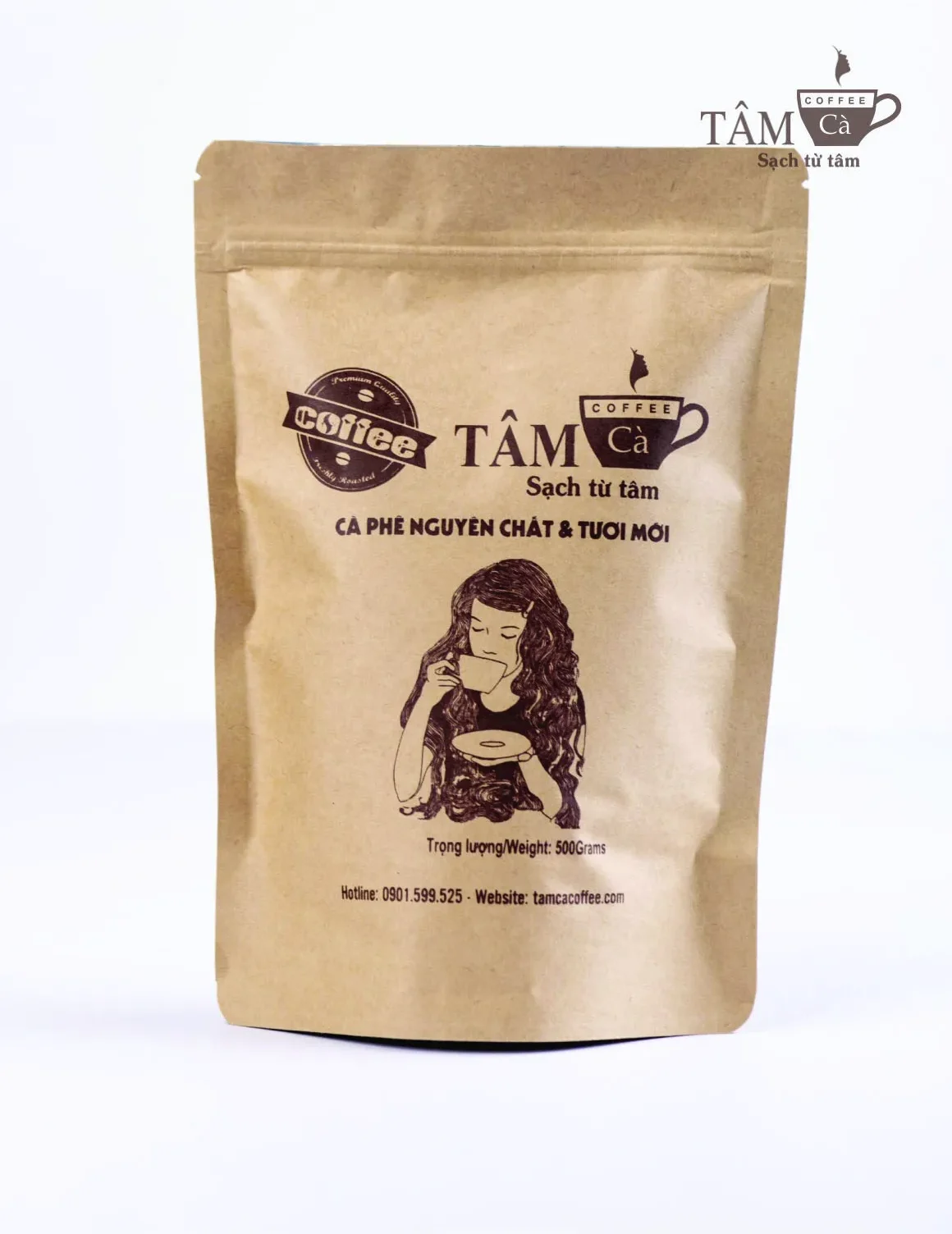
At Tâm Cà Coffee, we believe every bean tells a story. We hope this guide helps you better understand and enjoy the unique character of Arabica Caturra.